
Benefits of Switching to Wireless Charging for Your SmartphoneBenefits of Switching to Wireless Charging for Your Smartphone
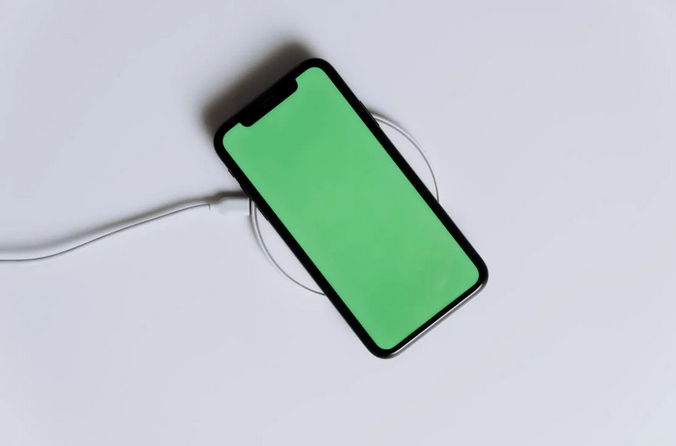
In an age where convenience and efficiency dominate the tech landscape, wireless charging has emerged as a compelling alternative to traditional wired charging. Gone are the days of untangling cords or hunting for the correct charger; wireless charging simplifies the process and offers a sleek, clutter-free experience. Understanding the benefits of switching to wireless charging for your smartphone helps consumers make informed decisions about integrating this technology into daily life. Beyond convenience, wireless charging can contribute to longer-lasting cables, reduce wear on device ports, and create a seamless setup for home or office. As smartphones continue to evolve, adopting wireless charging aligns with modern lifestyles that value both practicality and sophistication.
Reduced Wear and Tear on Ports and Cables
One of the most immediate advantages of wireless charging is the decreased strain on physical connectors. Traditional charging involves repeated plugging and unplugging, which over time can weaken charging ports and fray cables. This can result in slow charging, intermittent connection issues, or the need for repairs. By placing your phone on the wireles pad, the stress on ports is minimized, potentially extending the lifespan of both the device and its accessories. Users no longer need to worry about accidental bending of cords or port damage, allowing for a cleaner and more durable charging solution.
Enhanced Convenience and Accessibility
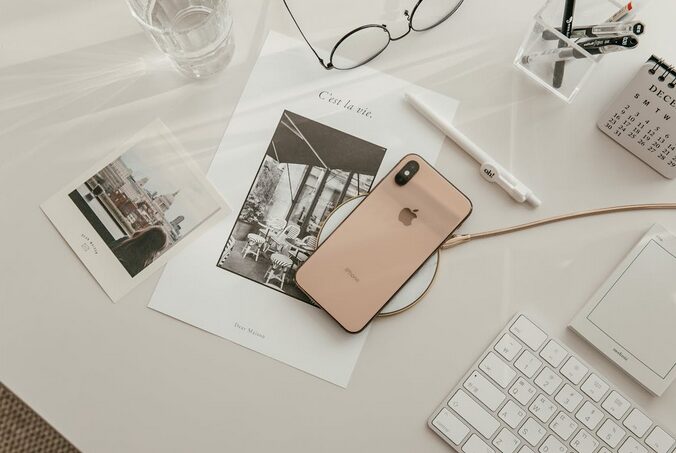
Wireless charging provides an effortless, user-friendly experience. Placing a smartphone on a charging pad is simpler than fumbling with cords, especially in low-light conditions or when multitasking. This convenience extends to shared environments like offices or households, where a communal charging station allows multiple people to power their devices without multiple cables. Wireless chargers can also be integrated into furniture or desks, creating a subtle and practical design element. By reducing the friction associated with traditional charging, users are more likely to maintain fully powered devices throughout the day.
Reduction in Clutter and Aesthetic Appeal
For many, managing tangled cords and multiple adapters creates visual clutter. Wireless charging eliminates the need for numerous cords, contributing to a tidier, more organized space. Charging pads can be designed to complement interior décor, providing a modern, minimalist aesthetic without sacrificing functionality. In addition, using a single wireless charger for compatible devices reduces the number of accessories required, making both travel and everyday organization simpler. The combination of visual appeal and functionality makes wireless charging particularly attractive in environments where style and efficiency intersect.
Safer and More Reliable Charging Experience
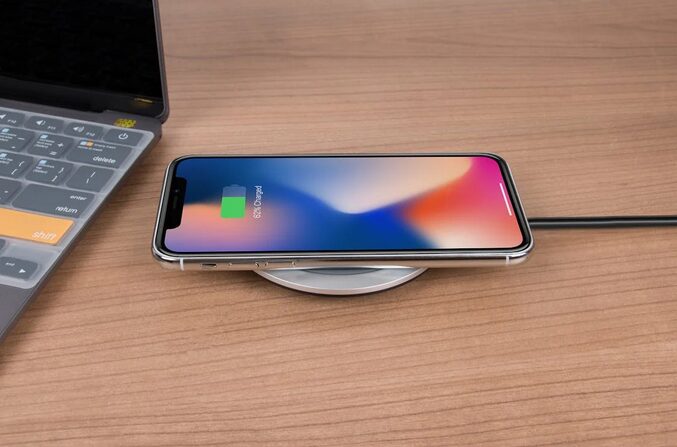
Wireless charging reduces the risk of electrical issues such as short circuits or sparks caused by frayed cords or damaged ports. Most wireless charging devices incorporate safety mechanisms, including temperature control and foreign object detection, which provide an additional layer of protection. This makes charging safer, especially in households with children or pets. Users can also avoid the hazards of plugging and unplugging devices in awkward or hard-to-reach locations. As a result, wireless charging delivers a consistent and dependable method for keeping devices powered without introducing unnecessary risks.
Future-Proofing and Compatibility with Emerging Devices
Investing in wireless charging supports adaptability for evolving technology. As more devices—from smartphones to wireless earbuds—adopt universal wireless charging standards, having a wireless charging setup increases compatibility and convenience. Users can seamlessly charge multiple devices without searching for the appropriate cables or worrying about specific adapters. This future-oriented approach makes wireless charging a versatile solution that accommodates new gadgets, reducing the need for constant accessory upgrades and simplifying the technology ecosystem at home or in the office.
Switching to wireless charging for your smartphone offers numerous advantages, from reducing wear on ports and cables to enhancing convenience and safety. By minimizing clutter and aligning with future device trends, wireless charging creates an efficient, aesthetically pleasing, and user-friendly charging experience. The combination of practicality, durability, and versatility makes it a valuable upgrade for modern lifestyles, allowing users to maintain fully powered devices with minimal effort and maximum peace of mind.





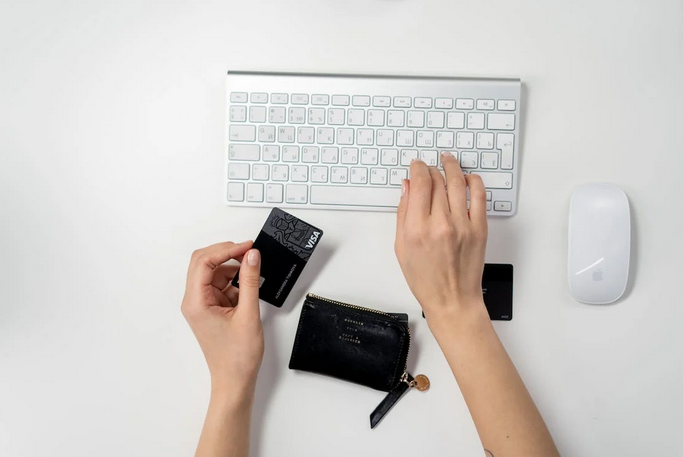

 Artificial intelligence (AI) is playing an increasingly important role in e-commerce and is expected to have a major impact on the future of online business. AI is used to personalize the shopping experience, recommend products, improve search results, and more.
 3D printing is quickly becoming a staple in the medical industry. Thanks to 3D printing, complex medical tools, and prosthetics can be created with extreme precision that would otherwise be impossible to make by hand. This technology has the potential to revolutionize the way medical treatments are conducted, from creating custom-fitted braces for broken bones to making personalized prosthetics for amputees. Not only will this technology make treatments more effective, but it will also reduce the cost for patients.


 A lot of people need coffee to function in the morning, and you might be in that kind of person as well, so why not invest in a coffee machine or coffeemaker? This way you’re saving your employees money and time from going out to get a cup of coffee from the nearest cafe. At the same time, they can also get their cup of coffee in the morning, reducing any crankiness and the chance of drama in the morning. For more varieties, you can also restock many coffee beans.