

The Role of VPNs and Streaming Tech in Accessing Pirated ContentThe Role of VPNs and Streaming Tech in Accessing Pirated Content
Accessing online content has never been easier, but it also comes with risks, especially when it involves pirated material. Many users turn to VPNs and advanced streaming technologies to bypass geographic restrictions and maintain anonymity while exploring media libraries. However, relying on these tools can lead to legal and security issues if not used responsibly, particularly when navigating sites like piratz tavern maryland, which are known for hosting unauthorized content. Understanding how VPNs and streaming tech operate, and the potential consequences of accessing pirated content, is crucial for anyone interested in digital media. This article delves into their role and highlights safer, legal alternatives for enjoying online entertainment.
How VPN Technology Changes Online Visibility
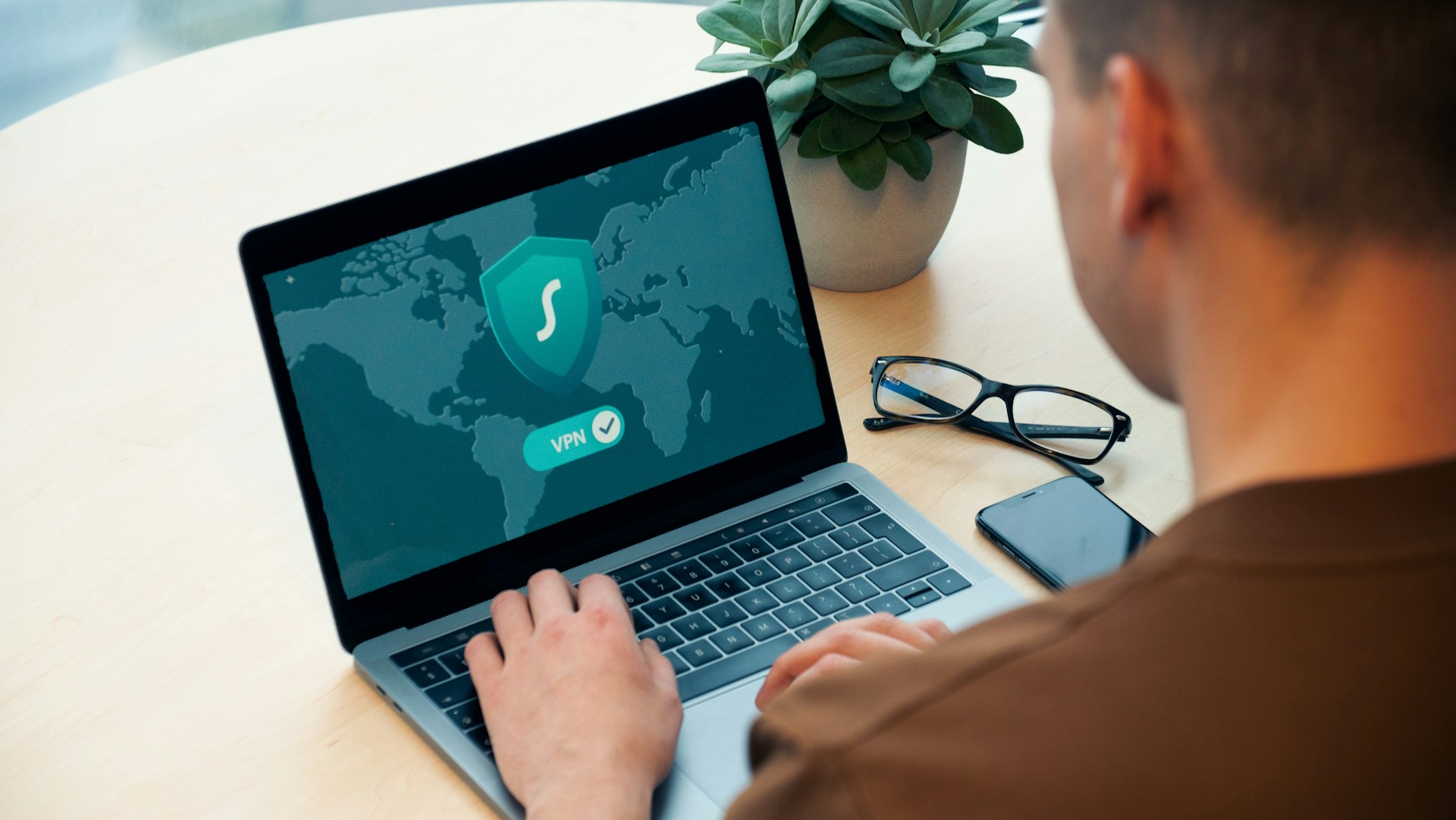
VPNs are widely used for privacy, security, and data protection, but they also alter how online activity appears to service providers. By masking IP addresses and encrypting traffic, VPNs reduce visibility at both the geographic and network levels. This characteristic explains why they are often mentioned in discussions about access to pirated content. When location-based restrictions or monitoring are part of enforcement, VPN usage can complicate detection. From a technical standpoint, VPNs do not host or create content, but they influence how requests travel across networks. This indirect role highlights how privacy tools can affect digital oversight without being inherently tied to illegal activity.
Streaming Technology and Content Distribution Methods
Modern streaming technology has made content delivery faster and more efficient, which benefits both licensed platforms and unauthorized sources. Adaptive streaming, content caching, and peer-assisted delivery improve playback quality even on unstable connections. These same advancements allow pirated streams to appear polished and accessible, reducing the technical gap between legal and illegal platforms. As streaming tools become easier to deploy, unauthorized distributors can reach broader audiences with minimal infrastructure. This does not change the legality of the content, but it explains why pirated streams can feel seamless. Technology improves distribution speed, regardless of whether the source is legitimate.
Why Enforcement Struggles Against Rapid Tech Adoption

One challenge facing content enforcement is the speed at which access technology evolves. VPN providers update protocols, while streaming tools adopt new delivery models that shift traffic patterns quickly. Legal systems and detection methods often move slower, creating gaps between policy and practice. This imbalance allows unauthorized content to persist even as takedown efforts increase. From a technical perspective, the issue is less about one tool and more about how multiple technologies interact. Privacy systems, content delivery tools, and user demand together create a complex environment that is difficult to regulate consistently across regions and platforms.
VPNs and streaming technology play an indirect but important role in how pirated content is accessed and distributed online. These tools were built for efficiency, privacy, and performance, yet their capabilities can be applied in ways that complicate content control. Understanding their function helps clarify why piracy remains a challenge despite growing regulation and platform enforcement. Technology itself is neutral, but its widespread availability shapes user behavior and access patterns. As digital media continues to expand, discussions around piracy will remain closely tied to how access and streaming technologies evolve alongside legitimate uses.